Why This Story Matters for Anyone Searching “cancer support” or “natural ways to lower blood sugar”
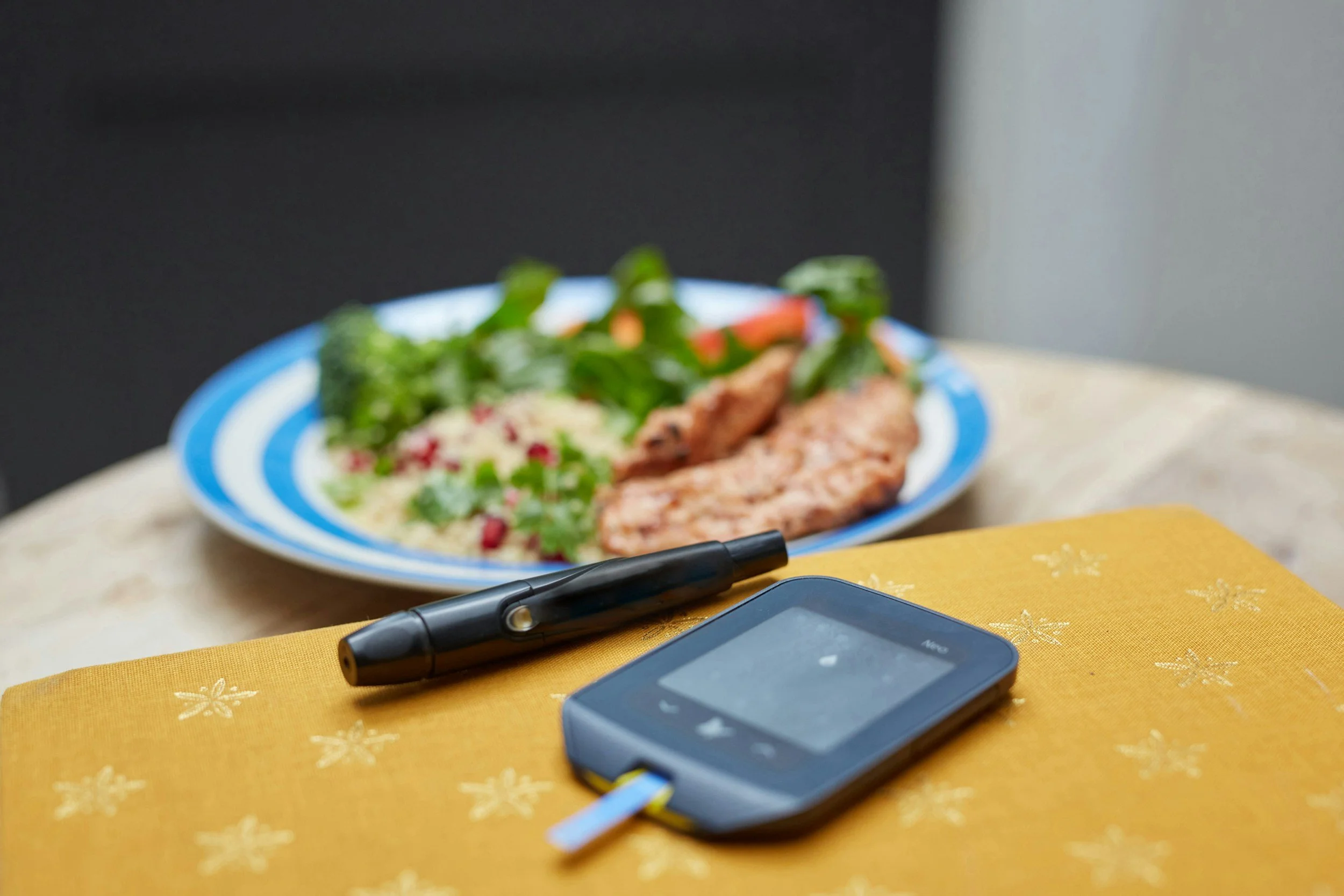
If you’ve typed “cancer and sugar” into Google, you’ve probably seen headlines that sound like: “Warburg discovered that cancer feeds on glucose – cut sugar, cure cancer!” Those clicks are tempting, but the reality is a bit more nuanced. Understanding the Warburg effect—the way many cancer cells preferentially gobble glucose—gives me and out team a solid scientific foothold for designing integrative, evidence‑informed strategies (including natural compounds like berberine) at Hope Spring Clinic, that can support both conventional and holistic cancer care for our patients.
Who Was Otto Warburg?
If you have a cancer diagnosis, your going to want to know about Otto Heinrich Warburg (1883‑1970). Otto was issued the Nobel Prize award1931 in Physiology or Medicine for his discovery of the nature and mode of cellular respiration. His key finding was that cancer cells often rely heavily on aerobic glycolysis—they convert glucose to lactate even when oxygen is plentiful. This is now called the Warburg effect. Why does this matter? Well, the metabolic shift gives tumour cells a rapid energy source and building blocks for growth, making glucose a central player in cancer biology. The bottom line is Warburg didn’t claim “cancer is caused by sugar,” but he showed that many cancers prefer glucose as a quick‑fire fuel. That insight opened an entire field of metabolic oncology.
The Warburg Effect in Plain Language
Normal cells: Mostly use oxidative phosphorylation (efficient, oxygen‑driven energy production).
Cancer cells: Switch to aerobic glycolysis—they burn glucose fast, producing lactate even when oxygen is abundant.
Result: Faster ATP (energy) generation, plus a surplus of carbon skeletons for DNA, RNA, and membrane synthesis—perfect for rapid cell division.
Think of it like a car that trades a fuel‑efficient diesel engine for a high‑revving race engine: you get speed, but you guzzle gasoline (glucose) and produce more exhaust (lactate).
Does Cutting Sugar “Starve” Cancer?
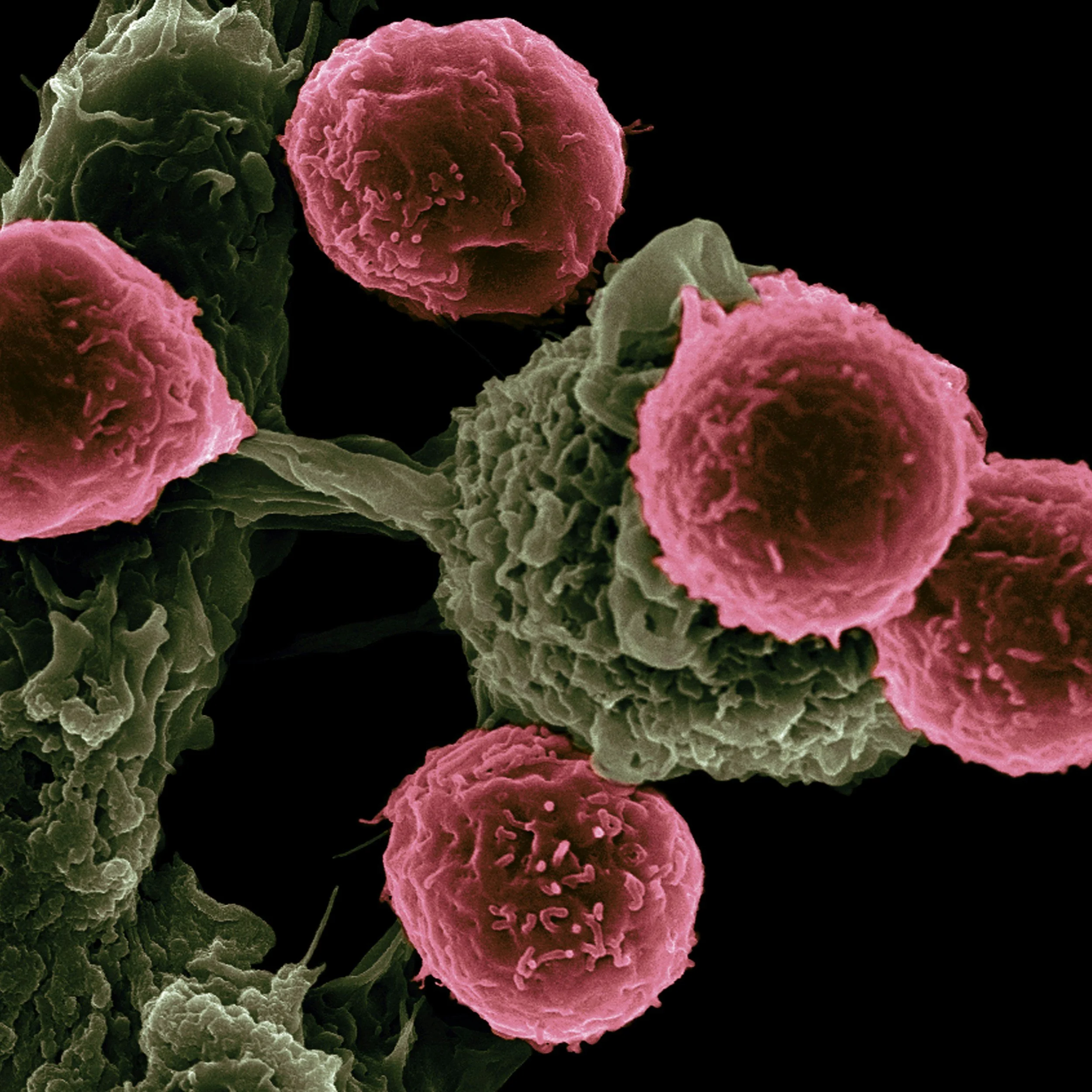
The short answer is lowering excess blood glucose may make the environment less favourable for glycolysis‑ dependent tumours, but it is not a standalone cure.
Clinical reality: Most solid tumours are heterogeneous; some cells rely heavily on glucose, others on fatty acids or glutamine.
Evidence: Controlled trials of extreme low‑carbohydrate diets in cancer patients have shown mixed outcomes—some benefit in quality‑of‑life metrics, but no definitive survival advantage on their own.
Natural Ways to Influence Glucose Metabolism – with a Spotlight on Berberine
What is Berberine?
Plant origin: Alkaloid extracted from Berberis species (goldenseal, barberry).
Mechanism: Activates AMP‑activated protein kinase (AMPK)—the cellular “energy sensor.” AMPK activation improves insulin sensitivity, reduces hepatic glucose production, and promotes glucose uptake in muscle.
Research snapshot: Meta‑analyses of randomised trials (mostly in type‑2 diabetes) show berberine can lower fasting glucose by ~0.5 mmol/L and HbA1c by ~0.5 %—comparable to first‑line metformin in some studies.
As Berberine can interact with cytochrome P450 enzymes and some chemotherapy agents, I always discuss supplementation with you before adding it to your regimen.
Aliyyaa’s Practical, Detail‑Friendly Tips for Cancer‑Support Seekers
To stabilise blood glucose - aim for a moderately low‑glycaemic diet for cancer patients (focus on non‑starchy veggies, lean protein, healthy fats, and limited refined carbs).
What is a recommended berberine dosage for blood sugar? - I usually advise starting with 500 mg 2–3 times daily (standardised to ~5 % berberine) with meals to reduce GI upset. However, you must always consult with a qualified practitioner who will carry out a drug-herb indication check first.
How to boost AMPK activators for cancer support naturally - Include green tea (EGCG), resveratrol, and exercise (even light walking) alongside berberine.
Keep a simple spreadsheet of your fasting glucose (mmol/L) levels, and share this with your practitioner.

Frequently Asked Questions (FAQ)
Q: Did Otto Warburg win the Nobel Peace Prize for his glucose discovery?
A: No. Warburg received the 1931 Nobel Prize in Physiology or Medicine for his work on cellular respiration. The Nobel Peace Prize is awarded for contributions to peace, not science.
Q: Can I eat sugar if I have cancer?
A: Moderation is key. Completely eliminating sugar isn’t always possible, but keeping overall carbohydrate intake moderate helps maintain stable blood glucose and may reduce the metabolic advantage some tumour's enjoy.
Q: Is berberine safe with chemotherapy?
A: Berberine can affect drug metabolism (especially CYP3A4). Discuss dosage and timing with your oncologist or a qualified integrative practitioner before starting.
Q: Are there other natural compounds that target the Warburg effect?
A: Yes—resveratrol, curcumin, epigallocatechin gallate (EGCG), and metformin (prescription) have shown AMPK‑activating or glycolysis‑inhibiting properties in laboratory studies.
I’m Aliyyaa, a fellow naturopathic doctor who believes in marrying solid science with thoughtful, plant‑based support. Otto Warburg gave us a crucial clue: many cancers love glucose. That doesn’t mean we can “starve” them with a diet of lettuce alone, but it does give us a strategic lever—manage blood sugar, support cellular energy balance, and pair those moves with conventional oncology care.
Berberine is a handy, research‑backed tool that can help you keep glucose in check, activate AMPK, and possibly blunt some of the metabolic pathways tumors exploit. Use it wisely, stay coordinated with your medical team, and remember that consistency beats perfection.
— Aliyyaa Spring, ND, Founder & Lead Practitioner, Hope Spring Clinic.
We offer services that complement your conventional cancer treatments, including nutritional therapy, IV drip therapy, cannabidiol therapy, herbal medicine, mind-body therapies and more. We aim to help you navigate your treatment with as much comfort and dignity as possible while enhancing your overall well-being.
Book your Free Discovery Call with us to learn move about our services. Email admin@hopespring.clinic or click here. Services are available at our clinics in London Colney, Hertfordshire or Online; and our ‘hub’ in Marylebone, London.